Vaccinations
Yellow fever vaccination is compulsory for Uganda and needed for Rwanda if you have been in Uganda, so on a combined trip you need it either way. Carry the certificate with your passport. Your travel clinic will advise on routine and recommended vaccinations for your own health history.
Malaria and insects
Malaria is present in both countries, especially at lower altitudes. Ask your clinic about antimalarial tablets, and avoid bites with repellent, long sleeves in the evening and the mosquito nets provided at lodges. Tsetse flies are found in some savanna areas; neutral-coloured clothes help, as they are drawn to dark blue and black.
Staying well on treks
- Drink plenty of water and carry snacks; your lodge provides a packed lunch on trekking days.
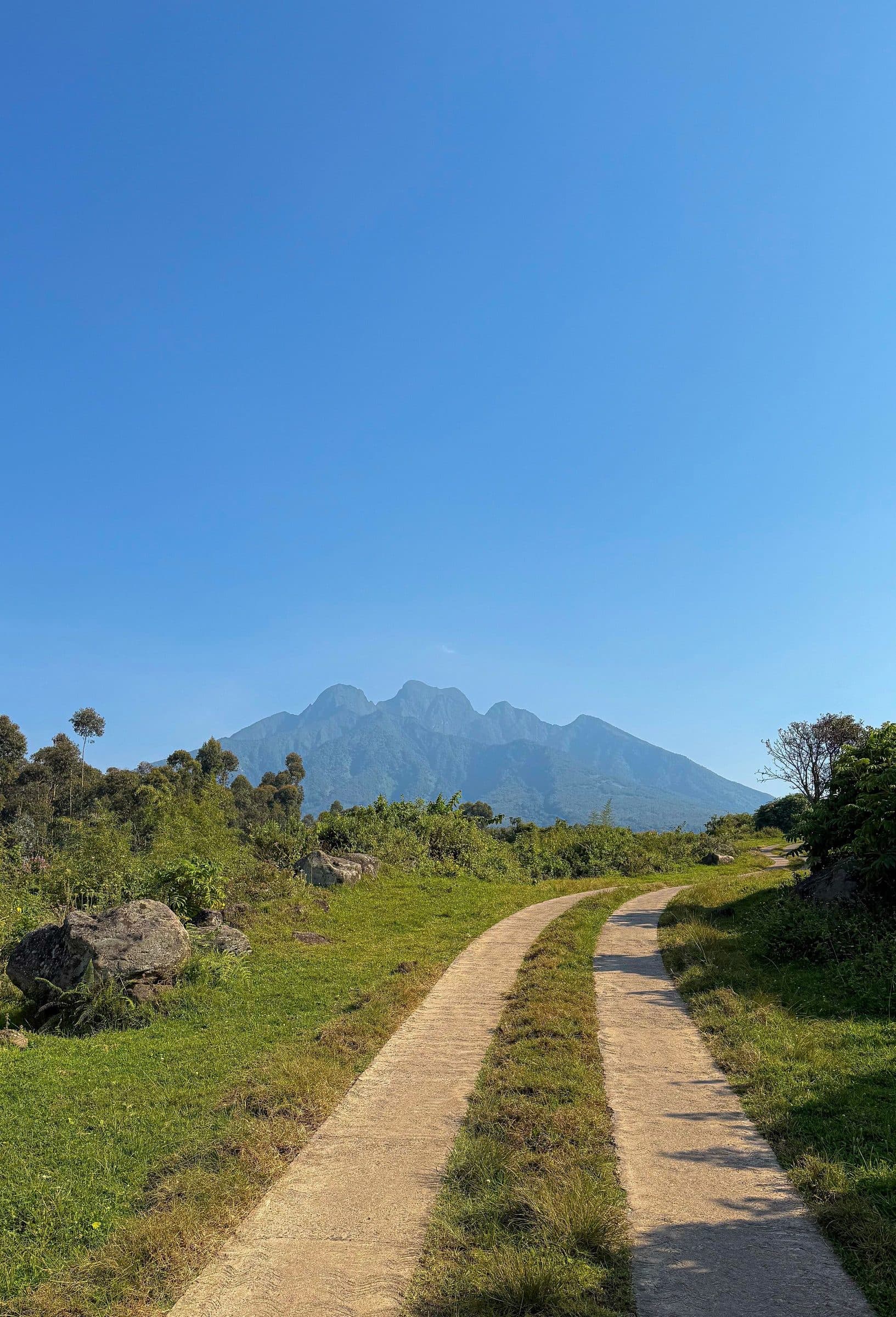
- Altitudes reach 2,500 to 3,000 metres in the Virungas, so take steep sections slowly.
- Tell your guide about any medical conditions before the trek.
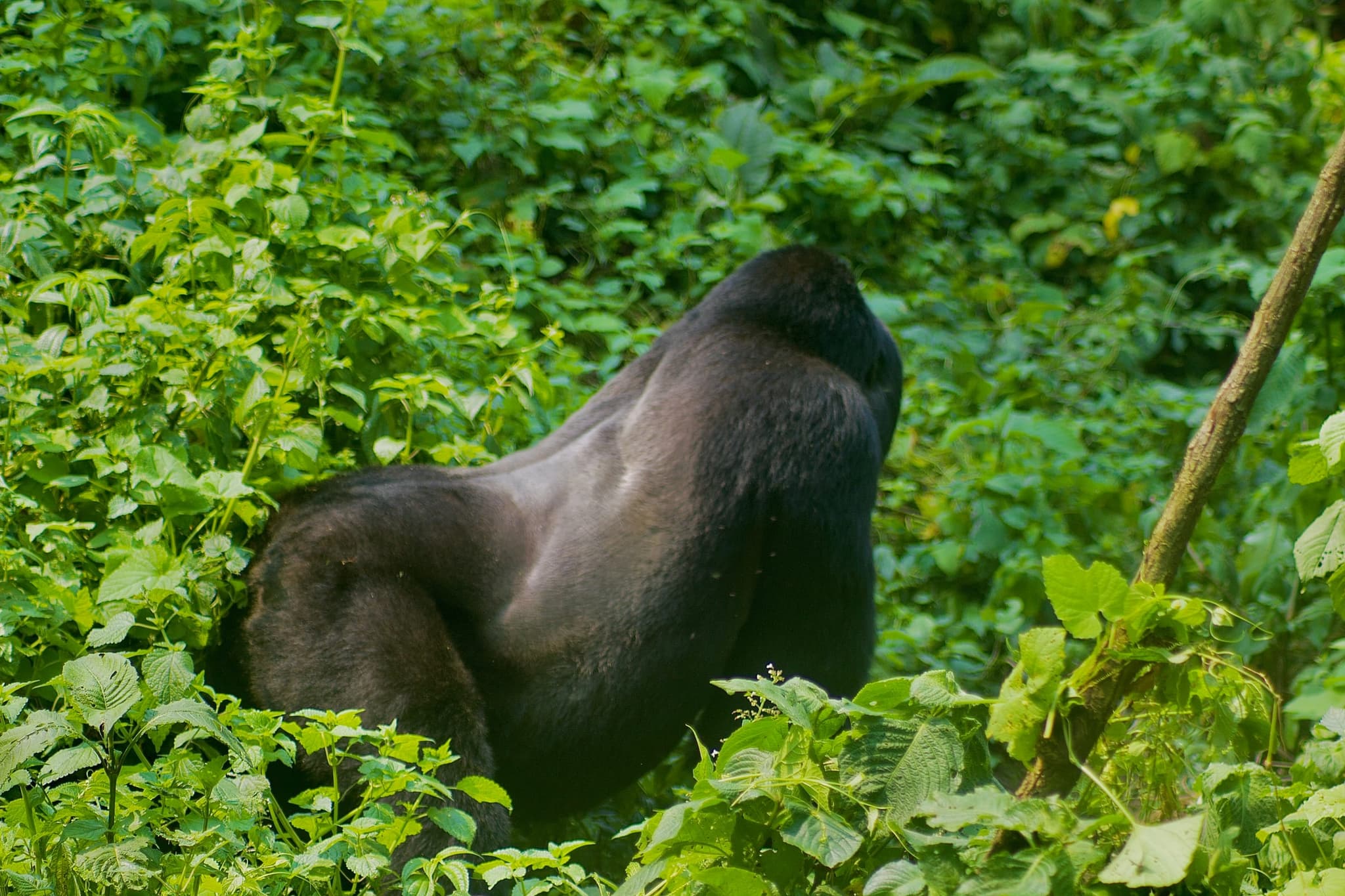
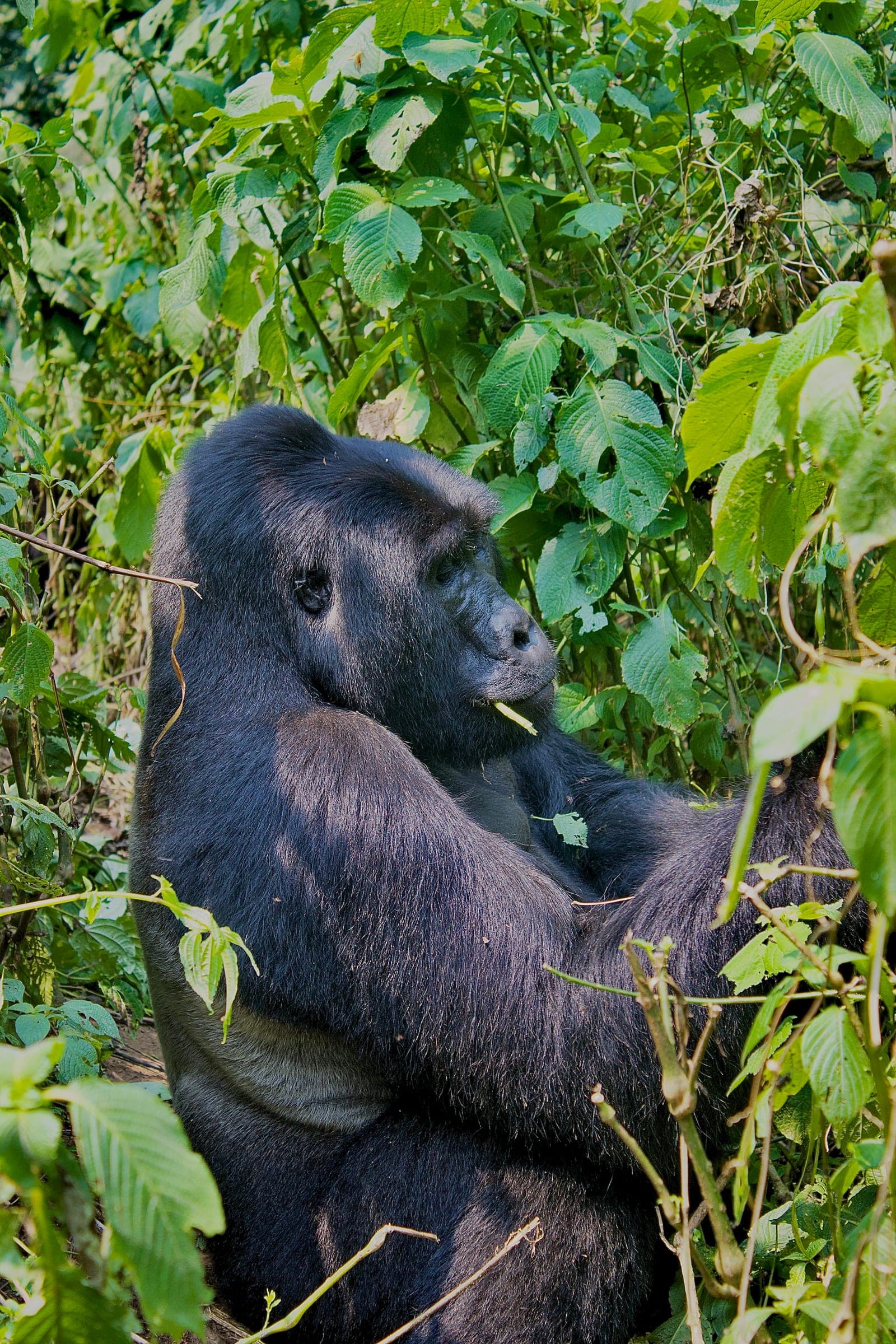
- If you are unwell with a cold or flu, you will not be allowed to trek, to protect the gorillas.
Food and water
The lodges on our routes serve food prepared for international visitors, and bottled or filtered water is provided in the vehicle. Drink bottled or treated water rather than tap water.
Travel insurance
Comprehensive travel insurance that includes medical evacuation is essential. Check that it covers trekking at altitude and activities such as boat cruises and walking safaris.