Where can you trek mountain gorillas?
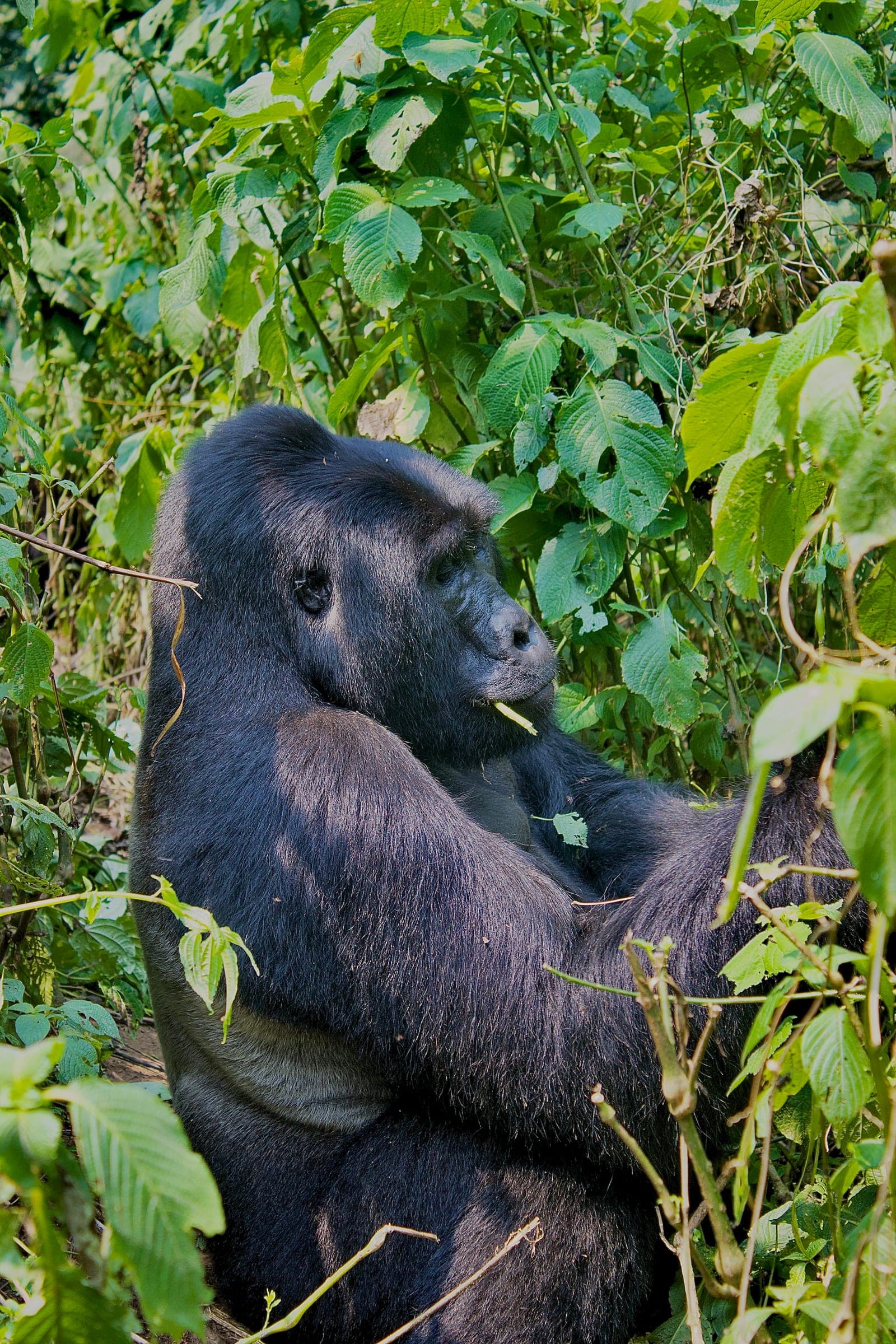
There are two main places our guests trek: Bwindi Impenetrable National Park in south-west Uganda, and Volcanoes National Park in north-west Rwanda. Both protect habituated gorilla families that are visited by small groups once a day.
- Bwindi Impenetrable National Park, Uganda: dense, ancient rainforest on steep ridges, split into four trekking sectors (Buhoma, Ruhija, Rushaga and Nkuringo). The largest number of habituated families.
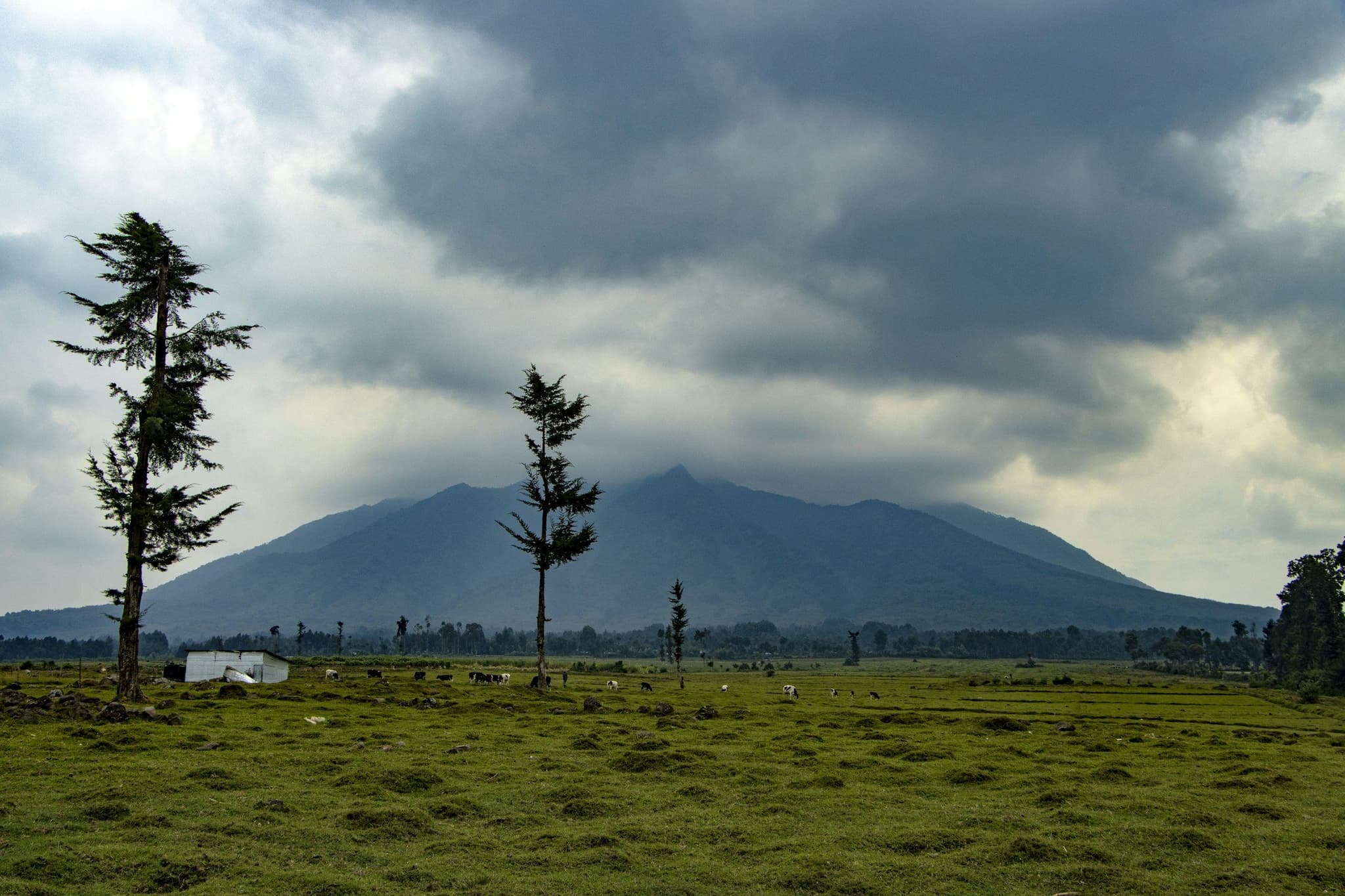
- Volcanoes National Park, Rwanda: bamboo and cloud forest on the slopes of the Virunga volcanoes, all treks starting from one headquarters at Kinigi. About 2.5 hours from Kigali airport.
How much does a gorilla permit cost?
Permits are sold by the Uganda Wildlife Authority and the Rwanda Development Board. Each one covers one person for one trek, including park entry, the ranger guides and one hour with the gorillas. Prices below are correct as of October 2026.
| Permit | Price per person | Notes |
|---|---|---|
| Gorilla trekking permit (Uganda) | $800 | $600 in April, May and November |
| Gorilla trekking permit (Rwanda) | $1,500 | Same price all year |
| Golden monkey tracking permit | $100 | Volcanoes National Park, Rwanda |
| Dian Fossey tomb hike | $75 | Volcanoes National Park, Rwanda |
What happens on a trekking day?
- An early breakfast at your lodge, then a short drive to the park headquarters for the 7am to 8am briefing.
- Rangers assign each group of up to eight visitors to a gorilla family, taking fitness into account where they can.
- You set off with an armed ranger and the trackers, who have already located the family that morning.
- Treks last anywhere from one hour to most of the day, depending on where the gorillas have moved overnight.
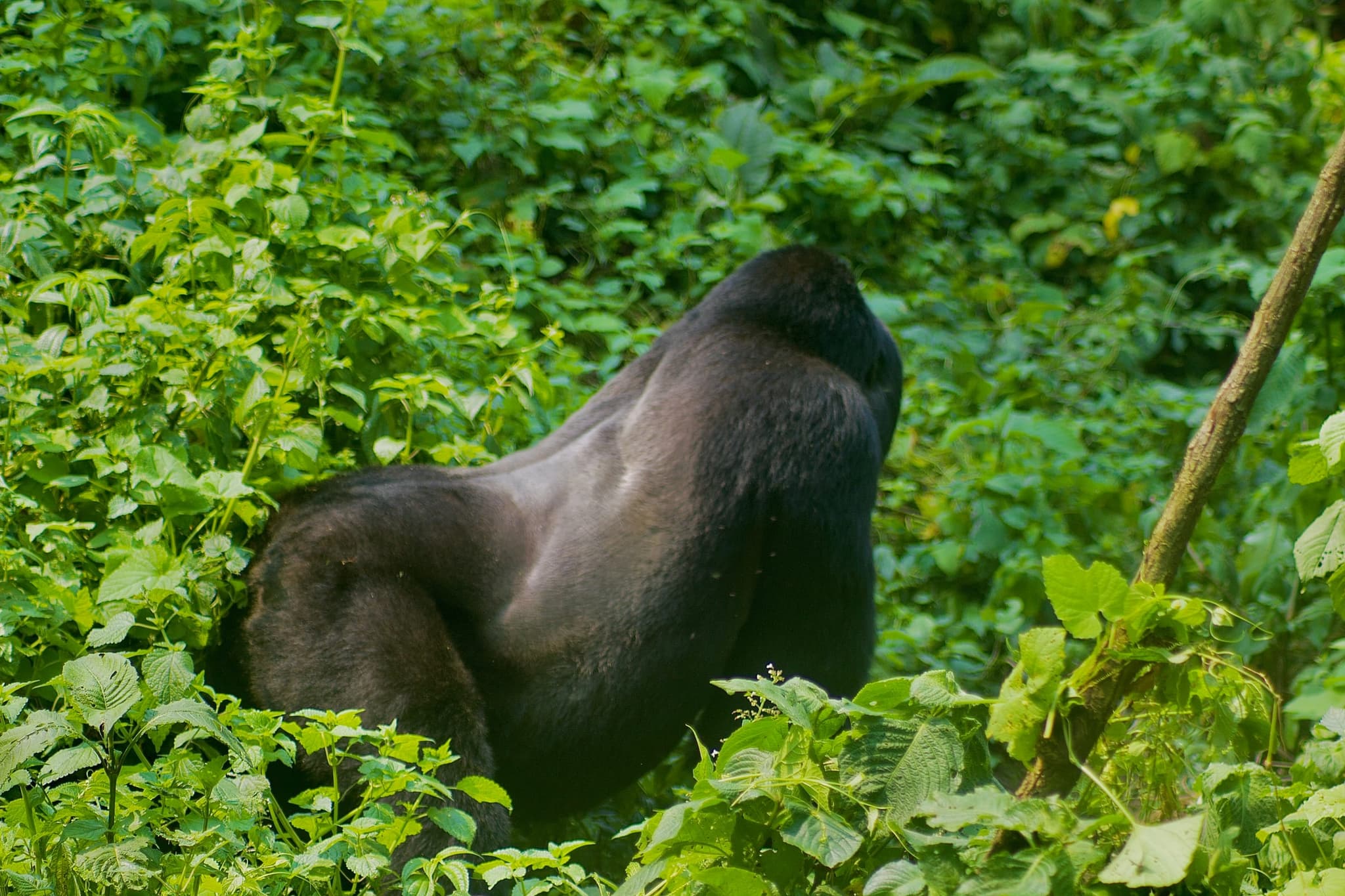
- Once you reach the family you spend one hour with them, watching them feed, play and rest, from about seven metres away.
- You walk back to the trailhead and receive a trekking certificate.
How fit do you need to be?
You do not need to be an athlete, but you should be comfortable walking for several hours on steep, uneven and often muddy ground at altitudes of 1,600 to 3,000 metres. Regular walks with some hills in the weeks before your trip make a real difference.
Porters wait at every trailhead. Hiring one is a good idea even if you are fit: they carry your daypack, give you a hand on the steepest sections, and the fee is an important income for families living around the parks.
Gorilla trekking rules
- Minimum age of 15 years in both countries.
- Maximum of eight visitors per gorilla family per day.
- One hour with the gorillas once you reach them.
- Keep a distance of about seven metres, and further if you can.
- Do not trek if you have a cold, flu or any contagious illness, because gorillas can catch human diseases.
- No eating, drinking or flash photography near the gorillas, and keep your voice low.
Bwindi or Volcanoes National Park?
Both give you the same hour with a habituated family. Rwanda is quicker to reach and its treks are often a little shorter, on more open slopes. Uganda’s permit costs less, Bwindi’s forest is wilder and more atmospheric, and a Uganda trip easily adds chimpanzees and savanna parks. If you have the time, trekking in both countries shows you two very different habitats.